
Are you reading this for yourself?
Tentatively counting down the days to an operation? Or maybe just arriving home from the hospital? Wondering if surgery is even for you?
If you want to understand your options and have more confidence about what comes next – this call is for you.
Or perhaps, you are here for someone you love?
Watching someone you care about struggle to get around the way they used to? Seeing them in pain and not quite knowing what to do? Maybe they seem okay on the surface, but something doesn’t sit right with you.
You can book the free call on their behalf, or come along with them. We’ll talk you both through what recovery should look like, what to keep an eye on, and how you can actually help. You don’t need to know the right questions to ask – we’ll cover it.
For patients considering surgery
Not sure whether surgery is the right path for you?
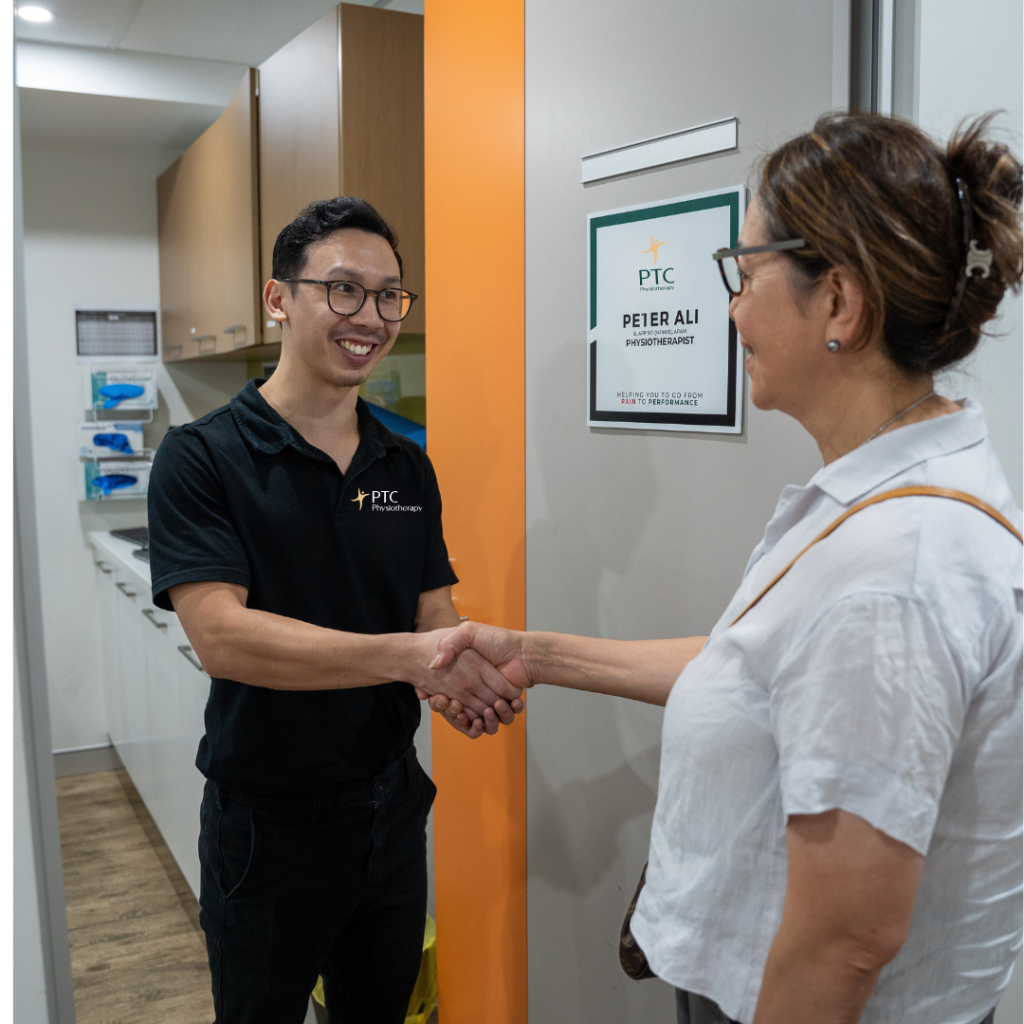
Our team can help you:
- Understand your condition and available treatment options.
- Improve strength, movement, and pain levels through conservative management.
- Decide on surgery from a stronger, more informed position.
- Some people still choose surgery, while others delay or avoid it due to their improvements.
What is prehabilitation?
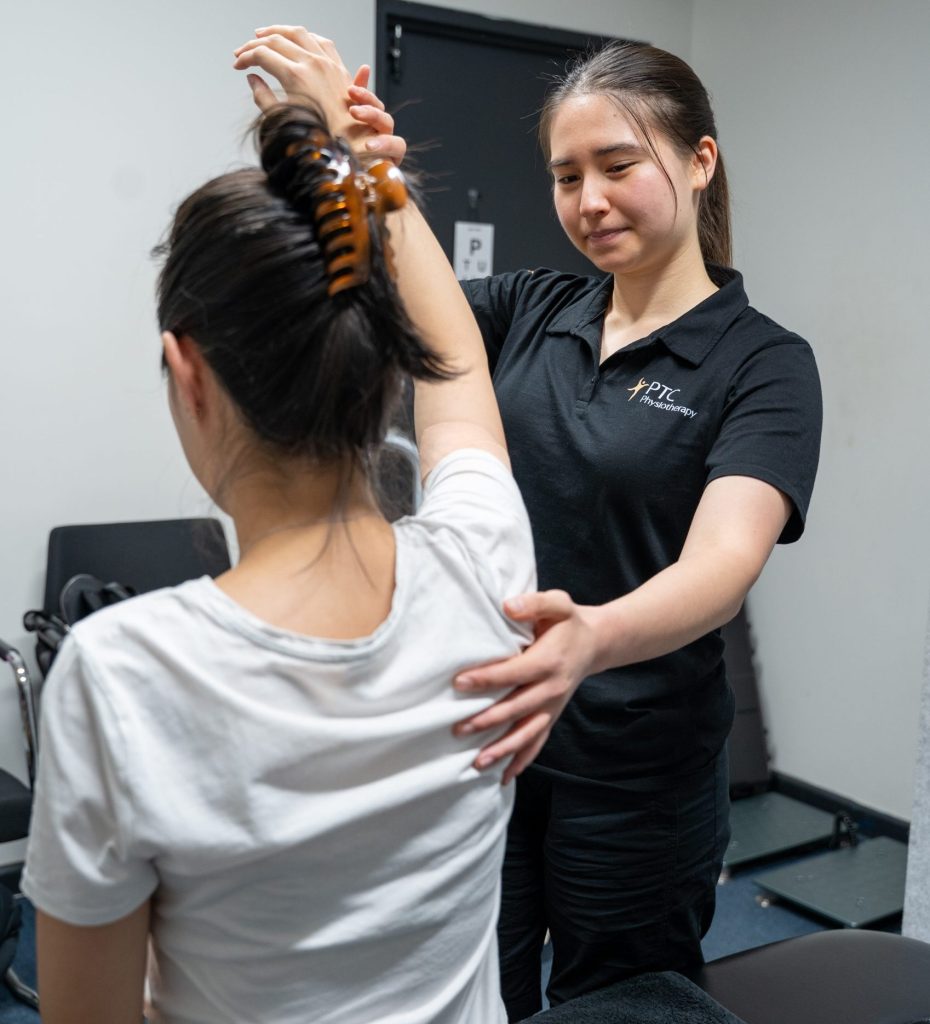
Prehabilitation means starting physio before your operation – this could be helpful to improve surgical outcomes, or even forgo having surgery at all (depending on your condition!).
We think prehabilitation is one of the most underutilised tools in the whole recovery process, and we’d love to help you make the most of it WHATEVER your goal is.
Had your surgery? Here’s where we come in.
We work with patients recovering from a range of orthopaedic surgeries, including:
ACL Reconstruction
Get back on the field properly, not just eventually
Rotator Cuff Surgery
Reach, lift, and move without pain holding you back
Hip Replacement
Walk comfortably, stay independent, keep up with life
Knee Replacement
Stop dreading the stairs and get back to doing what you love
Other Orthopaedic Procedures
Every patient is assessed individually
How we do things at PTC
We start with a proper assessment
First, we need to actually understand what’s going on with you. We look at your strength, how you’re moving, your range of motion, and what your surgery involves. From there we put together a plan that’s built around you specifically, not a generic program off a shelf.
You follow a structured program tailored for you
Our physios build programs just for you and your abilities. Each session builds on the last, we track how you’re progressing, and we adjust things if we need to. Your appointments are guided sessions with someone tracking your progress the whole way through.
We assess that you’re actually ready
We use objective testing to get a real read on whether your body is actually ready to go back to the things you want to do. Feeling good and being ready aren’t always the same thing, we want you to know the difference before you find out the hard way.
Not sure of the right step forward? Let’s talk.
Everyone’s situation is different, so let’s have a conversation so we can discuss your situation.
We are offering a free 15-minute call with one of our physios. By the end of it you’ll have a clearer picture of:
- Where you’re at right now in your recovery or before your operation
- What you should actually be doing next
- Whether our clinic is the right place for you
PTC Physiotherapy
Book your free 15-minute call
No obligation, no pressure. A straightforward conversation with someone who can help you explore your options.
PTC Physiotherapy
About PTC Physiotherapy
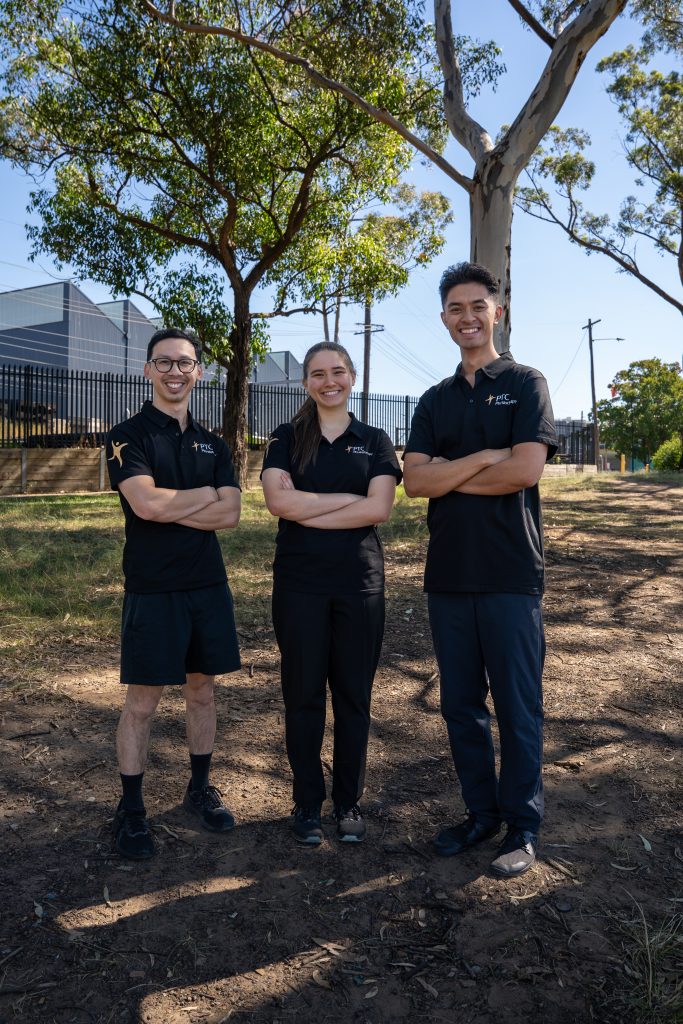
We’re based in Lidcombe, Sydney. Our physios work with people recovering from ACL, rotator cuff, hip, and knee surgeries, taking them through structured, evidence-based programs to get their strength, movement, and confidence back.
We’re easy to get to from Auburn, Strathfield, Parramatta, Bankstown, and Granville.
FREE RESOURCES FOR YOU
📋 Post-Op Readiness Assessment
🗺️ Post-Op Recovery Roadmap
📄 Post-Op Care Essentials
Everything you need to know about caring for yourself after surgery. Clear, simple, and written for patients – not clinicians.