
PTC Physiotherapy
Chondromalacia Patella
Physiotherapy in Lidcombe
Do stairs, squats or a long drive leave the front of your knee aching? Being told you have chondromalacia patella can raise questions. Is your cartilage damaged? Will exercise help, and what should you do next?
By the end of this guide, you’ll have a clearer understanding of:
- How cartilage changes and kneecap pain relate to each other.
- Which symptoms to monitor and when to seek medical help.
- How to adjust activity and build strength.
- Common questions about scans, exercise, noise and recovery.
1. What is Chondromalacia Patella?
Chondromalacia patella describes softening or other changes in the cartilage beneath the kneecap. The kneecap, or patella, moves against a groove in the thigh bone as your knee bends and straightens.
The term has also been used for patellofemoral pain: pain around or behind the kneecap. Pain does not prove cartilage damage, and a scan finding does not explain every symptom. Assessment brings symptoms, function and imaging together. My Knee Cap explains diagnosis and scans.

2. What symptoms can occur?
You may notice:
- Pain around or behind the kneecap. Stairs, squats or repeated bending can bring it on.
- Aching after sitting. The knee feels uncomfortable after a film, desk session or car trip.
- Difficulty with exercise. Hills, running or repeated lunges become harder to tolerate.
- Clicking or grating. Noise may occur, but does not establish the amount of cartilage change.
These symptoms can also occur without confirmed chondromalacia. A sudden increase in training may aggravate symptoms without proving that new cartilage damage has occurred.
When to get urgent help
Go to an emergency department now for a hot, red knee with fever, a badly swollen or deformed knee, or pain after major trauma. Call 000 if an ambulance is needed. Healthdirect’s urgent knee advice.
Arrange prompt medical assessment if you cannot bear weight or the knee becomes locked. These symptoms should not be assumed to be a routine kneecap-pain flare.
3. What should you do initially?
Adjust the activities that are irritating your knee while keeping manageable movement:
- Reduce squat depth, lunge repetitions or stair trips temporarily if they provoke pain.
- Break up long periods of sitting and straighten your knee when comfortable.
- Choose a tolerable amount of walking or other activity instead of stopping everything.
- Notice whether pain settles after activity and how the knee feels the following day.
If exercise leaves you clearly worse the next day, reduce the amount or difficulty and have the plan reviewed. My Knee Cap, developed with La Trobe researchers and patients, supports activity management and exercise for patellofemoral pain.
What should you avoid during a flare?
- Pushing through increasingly painful repetitions because you think strength must hurt.
- Jumping straight back to your previous training volume after a break.
- Assuming all squatting, running or stair use must be avoided permanently.
We help you find a workable starting point and make useful adjustments during a flare.
4. When should you see a GP?
See your GP if:
- • Pain is persistent, worsening or interrupting sleep and daily activities.
- • You have recurrent swelling, locking or a history of kneecap dislocation.
- • You need help with pain relief or understanding a scan report.
Scans are not routinely needed for typical patellofemoral pain. Trauma, unusual symptoms or a suspected specific cartilage injury may change the investigation plan.
5. When should you see a physiotherapist?
Consider booking an assessment if you’re:
- Avoiding station stairs, gym sessions or getting down to the floor.
- Unsure which exercises are suitable or how much discomfort is acceptable.
- Returning to activity after repeated kneecap-pain flares.
At PTC Physiotherapy Lidcombe, we assess the movements that matter to you and explain how to adapt them. Private appointments need no GP referral; funding requirements may differ.
6. How can physiotherapy help with Chondromalacia Patella?
For a patellofemoral-pain presentation, we focus on everyday movement:
- • We assess the painful tasks. We look at steps, squats or other relevant activities, together with knee movement and leg strength.
- • We build an achievable exercise plan. Knee and hip exercises are chosen around your starting point, then progressed in load and difficulty.
- • We make useful adjustments. We may change exercise depth or technique, or trial taping if it makes a meaningful task easier.
Exercise targets pain and function; it does not guarantee cartilage regrowth. A discrete cartilage defect, recurrent dislocation or another diagnosis may require a different plan and medical input.
What happens at your first assessment?
Your initial appointment is 45 minutes:
1. We listen first. We ask which activities hurt, how symptoms respond afterwards and what you have already tried.
2. We assess and measure. We check movement, strength and tasks such as a step-down or squat, recording your starting point.
3. We start treatment. We may adjust a painful task, introduce suitable exercises or trial an aid where appropriate. Medical concerns take priority.
4. You leave with a plan. We explain your home exercises, how to monitor your response and when to change or review the programme.
Our four stages can overlap. Progress is based on your symptoms and goals, with adjustments for any confirmed cartilage injury.
Restoration
We find manageable movement and exercise levels. A shallower squat or fewer repeated stair trips may help during a flare.
Rebuilding
We build knee and hip strength. Progress might mean a controlled step-down or getting up from a chair more comfortably.
Resilience
We build tolerance for repeated stairs, hills, gym sessions or running. The amount and difficulty increase in steps, with your response guiding the next change.
Thriving
We help you keep a realistic strength routine and adjust activity during busy weeks or training changes. Persistent swelling, new locking or a changing pain pattern needs review.
Your local clinic
PTC Physiotherapy Lidcombe is inside Lidcombe Shopping Centre at Shop CMO02, 92 Parramatta Rd, Lidcombe NSW 2141. We welcome people from Lidcombe, Auburn, Berala, Strathfield, Silverwater and the broader Cumberland Council area.
7. Frequently asked questions
Does chondromalacia mean my knee is worn out?
No. Cartilage findings need to be considered with symptoms and examination; they do not tell us everything about how your knee will feel or function.
Can I still squat or run?
Often these activities can be adapted and rebuilt gradually, depending on your symptoms and any specific injury. We may begin with less depth, shorter sessions or a lower load, then review how your knee responds.
Does grinding mean I am causing damage?
Noise alone does not show that you are damaging the joint. My Knee Cap’s crepitus guidance explains why sound does not reliably reflect symptom severity; new pain, swelling or locking still deserves assessment.
How long will it take to improve?
There is no reliable recovery deadline based on the cartilage label alone, and kneecap pain can persist or recur. We track easier stairs, stronger movement and better activity tolerance, review a plan that is not helping, and build ongoing exercise into longer-term management. Read about the course of kneecap pain.
CONSIDER GETTINg HELP
Make movement more manageable.
PTC Physiotherapy Lidcombe can help you understand your kneecap symptoms and build an exercise plan that fits your daily life and goals.
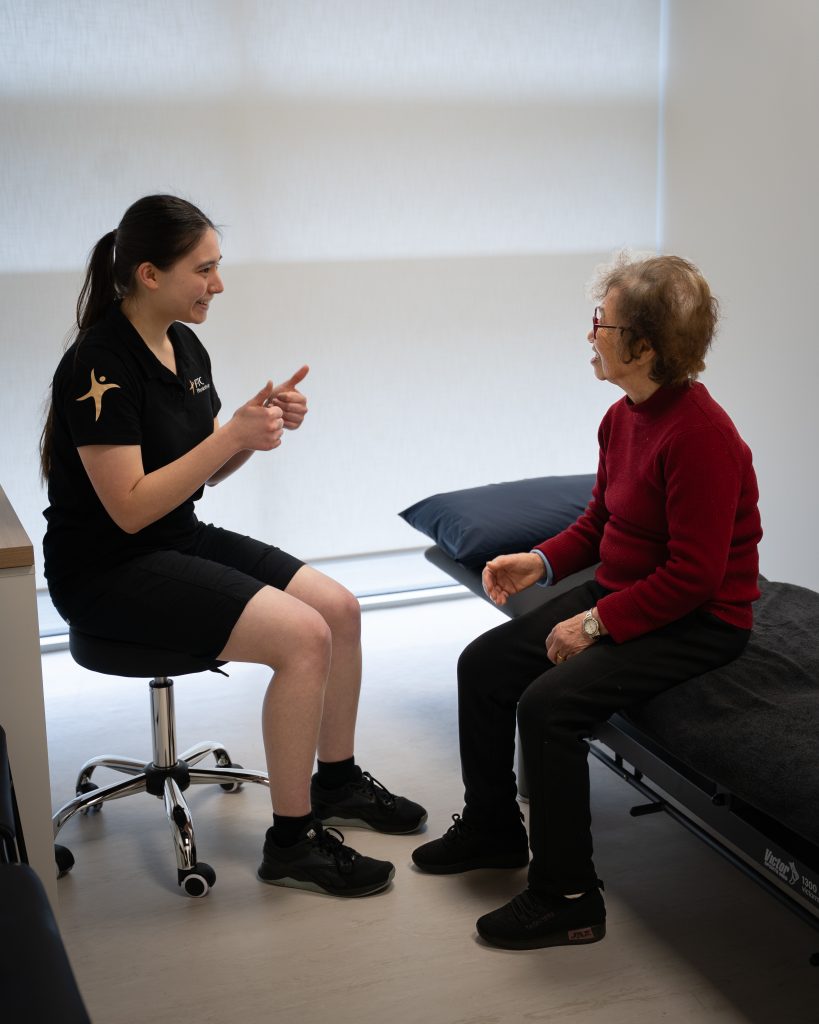
An assessment starts with understanding your symptoms and what matters to you.
