
PTC Physiotherapy
Lumbar Spondylosis Physiotherapy in Lidcombe
Does your lower back feel stiff when you get out of bed, put your shoes on or straighten up after sitting? Seeing “spondylosis” on a scan report can raise more questions. Is your back wearing out? Should you stop lifting? Can physiotherapy help?
At PTC Physiotherapy Lidcombe, we help you understand the findings and build your activity.
By the end of this guide, you’ll have a clearer understanding of:
- What lumbar spondylosis means.
- Common symptoms and when to seek help.
- What to do during a flare.
- How assessment and rehabilitation can help.
- What scans, exercise and recovery mean for you.
1. What is Lumbar Spondylosis?
Spondylosis describes age-related changes in the spine, including its discs, joints and surrounding bone. “Lumbar” means your lower back; these changes can include reduced disc height and small bony growths called osteophytes. NHS information on spinal osteoarthritis.
These findings become more common with age and also occur in people without pain. A scan needs to be considered alongside your symptoms and examination; it cannot tell us on its own why your back hurts. Research on spinal changes in people without symptoms.

2. What symptoms can occur?
You may notice:
- Stiffness after rest. Getting moving in the morning or after sitting takes longer.
- A lower-back ache. Pain may extend into the buttocks.
- Difficulty with daily tasks. Dressing, gardening or staying in one position becomes uncomfortable.
- Fluctuating symptoms. Some days or activities feel easier than others.
These symptoms overlap with other conditions. Leg pain, tingling or numbness needs assessment for nerve involvement. NHS lumbar spondylosis information, Healthdirect low-back-pain information.
When to get urgent help
Go to an emergency department now if back pain comes with new difficulty passing urine, loss of bladder or bowel control, numbness around your groin or saddle area, or rapidly worsening leg weakness. Call 000 if you need an ambulance.
Severe back pain after a major accident, or with fever and feeling very unwell, also needs emergency assessment. Australian back-pain safety guidance, Healthdirect emergency advice.
3. What should you do initially?
Keep manageable movement in your day while temporarily reducing tasks that are difficult.
- Break up long periods of sitting with a change of position.
- Try shorter walks or smaller amounts of housework.
- Reduce the weight or duration of lifting tasks during a flare.
- Build activity back gradually as your symptoms allow.
A temporary increase in discomfort does not automatically mean damage. If activity repeatedly leaves you substantially worse, adjust it and get advice. RACGP advice on staying active.
What should you avoid during a flare?
- Spending long periods in bed.
- Repeatedly forcing a painful stretch.
- Returning immediately to your heaviest tasks.
- Treating your scan report as a list of permanent restrictions.
Temporary changes should help you work back towards normal activity.
4. When should you see a GP?
See your GP if:
- • Pain is disrupting sleep, work or everyday activities.
- • Symptoms are worsening or not starting to improve.
- • You need advice about pain medicines or other possible causes.
Arrange prompt medical review for unexplained weight loss or a history of cancer with new back pain. Seek same-day assessment for new leg weakness or spreading numbness; follow the emergency directions above for rapid deterioration. Healthdirect guidance on low back pain.
5. When should you see a physiotherapist?
Consider booking an assessment if you’re:
- Struggling to bend, dress or get through your working day.
- Having repeated flares without a clear management plan.
- Avoiding exercise because you’re unsure what is safe.
We assess your movement, symptoms and goals. Findings suggesting another condition may require medical investigation.
6. How can physiotherapy help with Lumbar Spondylosis?
We give you practical advice and an exercise plan suited to your current ability.
- We identify useful starting points. This might mean making dressing easier or finding a manageable amount of activity.
- We build movement and strength. Exercises can target your trunk, hips and the tasks you find difficult.
- We track meaningful progress. We review your activity, symptoms and confidence.
Exercise can help persistent low back pain, and no single exercise type suits everyone. RACGP exercise guidance.
Hands-on treatment may help ease symptoms alongside exercise; it does not reverse spinal changes. NICE treatment guidance.
What happens at your first assessment?
Your initial consultation is 45 minutes.
- We listen first. We ask about symptoms, previous flares, sleep, work and your goals, and screen for warning signs.
- We assess and measure. We check back and hip movement, relevant strength and tasks such as bending or rising from a chair. We assess nerve function where indicated.
- We start treatment. Suitable movement, practical advice or hands-on care may begin that day. Urgent referral takes priority when needed.
- You leave with a plan. We explain the findings, give you manageable home actions and agree what to monitor and when to review.
Our four rehabilitation stages can overlap. Progress follows your needs, without a fixed timetable.
Restoration
Find manageable ways to get out of bed, dress and change position. We adjust aggravating tasks while keeping comfortable movement in your day.
Rebuilding
Build strength and activity tolerance. This might involve progressing from a light lifting task to carrying shopping, with resistance increased according to your response.
Resilience
Practise the demands of your work, gardening or exercise. We review how you manage repeated tasks and recover afterwards before increasing the challenge.
Thriving
Keep a sustainable exercise routine and a plan for future flares. You’ll know what to adjust and which changes need reassessment.
Your local clinic
PTC Physiotherapy Lidcombe is inside Lidcombe Shopping Centre, Shop CMO02, 92 Parramatta Rd, Lidcombe NSW 2141. We support people from Lidcombe, Auburn, Berala, Strathfield, Silverwater and the broader Cumberland Council area.
Our team includes Peter Ali and Furqan Chowdhury, with on-site gym facilities available for appropriate rehabilitation.
7. Common questions about Spinal Stenosis
Do I need an X-ray or MRI?
Usually, a new back-pain episode can be assessed without imaging unless there are concerning findings. Scans may be useful when the result is likely to change treatment. RACGP imaging advice, NICE imaging recommendations.
Can I keep exercising and lifting?
Usually, yes, with adjustments suited to your symptoms and assessment. We can help you reduce the load, change the movement or shorten the session before gradually building back.
Does spondylosis mean I will need surgery?
No, spondylosis on a scan is not itself a reason for surgery. Specialist assessment may be needed for progressive nerve problems or severe, persistent symptoms despite appropriate care. Australian review and referral guidance.
How long does improvement take?
NHS patient guidance describes many lumbar spondylosis flares improving within 2–8 weeks from the flare, although some take longer. Returning to demanding activities may take longer than initial pain relief, and recurring symptoms may need ongoing management. We review your movement, activity tolerance and symptom trend, reassessing sooner if you deteriorate. NHS recovery guidance.
CONSIDER GETTINg HELP
Looking for help with back stiffness in Lidcombe?
At PTC Physiotherapy Lidcombe, we can assess what is limiting you and help you make a practical plan for moving and exercising.
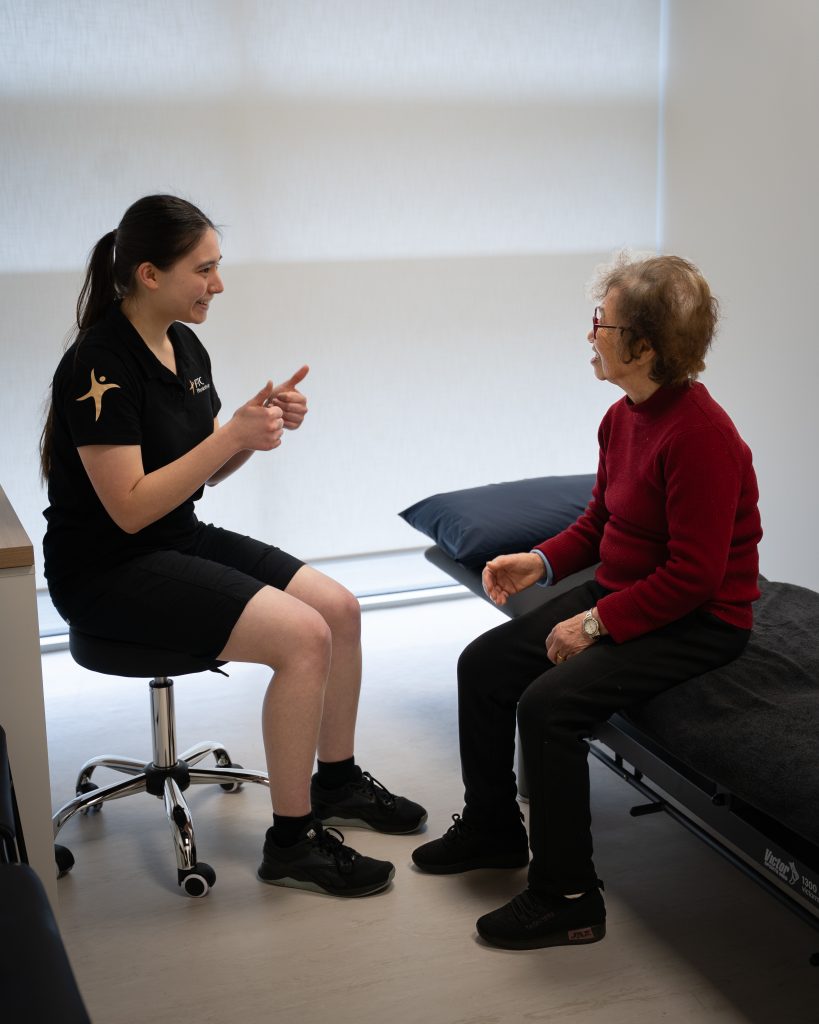
An assessment starts with understanding your symptoms and what matters to you.
